A
key theory within Adolf Loos concept of Architecture encapsulates the concept
of the 'Tomb' and the 'Monument', terminology coined by Loos himself. According
to Loos, the Tomb is the recognition of culture and memory of which, whilst the
Monument critiques contemporary design, creating a forefront for
modern developments.
Loos believes that Art is not intrinsic within Architectural concepts, he believes form should be reflective of function and that in turn should develop it's own Architectural façade, whereas Art should be utilised merely for decoration, segregating the two components.
Loos believes that Art is not intrinsic within Architectural concepts, he believes form should be reflective of function and that in turn should develop it's own Architectural façade, whereas Art should be utilised merely for decoration, segregating the two components.
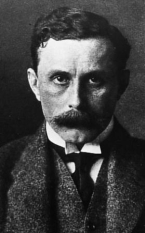
Loos argues that function should be the driving force for design concepts and that excluding art from the process is design itself. The primary need of the space is the aesthetic, modern design Architects such as Muthesius fails to consider in the search for imminent design progressions, which as a result impacted the course of Architectural design. Supported further by the quote
“modern style already exists within industrial design without artistic pretensions.”
“Art could now survive in only two (absolutely antithetical) forms: firstly as the free creation of works of art that no longer had any social responsibility and were therefore able to project ideas into the future and criticize contemporary society; and secondly in the design of buildings which embodied the collective memory”
Arguably it can be said that the incorporation of Art within Architecture prohibits the potential for ‘Industrial Design’ solely focused upon how the function
Reflects upon the form. Whereas many would
conclude that utilising each separately limits the potential within
Architecture and the creativity which truly creates the drastic leaps in the
Architectural design world that we see today.
Personally, I feel I can apply Loos precedent in the developmental stages of my work to achieve the most from the practicality of my design concepts. I also feel the application of Art within design allows the others to be inspired and designers to create a unique world in which we live in. It allows designers to integrating cultures, Artistic movements and colour into the world we live, it allows us to show personal expression and the uniqueness of each individual Architect.
Personally, I feel I can apply Loos precedent in the developmental stages of my work to achieve the most from the practicality of my design concepts. I also feel the application of Art within design allows the others to be inspired and designers to create a unique world in which we live in. It allows designers to integrating cultures, Artistic movements and colour into the world we live, it allows us to show personal expression and the uniqueness of each individual Architect.
Modern Architecture. Oxford, GBR: Oxford University Press, 2002. ProQuest ebrary. Web. 6 March 2015.
Copyright © 2002. Oxford University Press. All rights reserved.

No comments:
Post a Comment